
The two previous Atelier Iris games had a strong nostalgic feeling that I really enjoyed, so when this third installment of the series arrived to my door I was instantly curious to know if I would react to it in the same way.
Oddly enough, Grand Phantasm may seem like more of the same just by looking at it, but the series takes a turn into a very different direction.
In Atelier Iris 3, we play as Edge and Iris on a quest to find special gems that will open a magic book that can grant its owner any wish. Edge and Iris are both Raiders and members of a guild that keeps them busy with several quests.
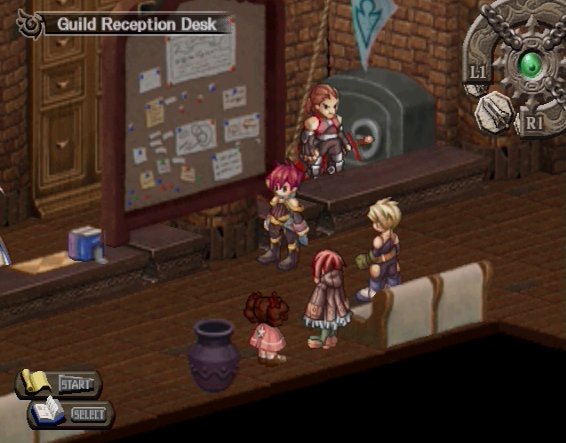
The guild is your portal to adventure. There is a notice board where you check for available quests, and you can accept more than one at the same time, which gives you a bit of freedom of gameplay. You get a sort of a diary where you can read the information for each quest. Once you accept a quest, you must talk to the quest giver to proceed. Some quests take place in town, usually fetching and delivery quests. Others require you to enter the Alterworlds, and this is where Atelier Iris becomes something other than what we were used to.
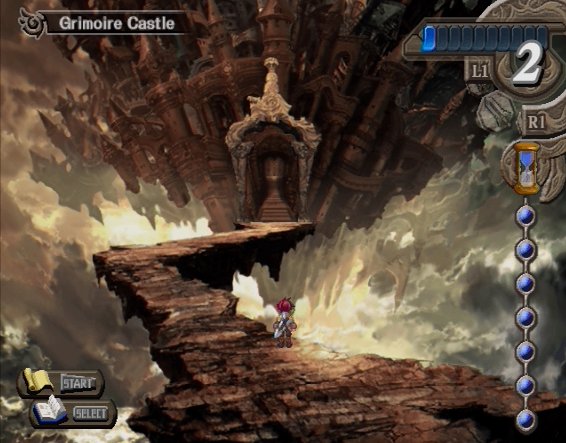
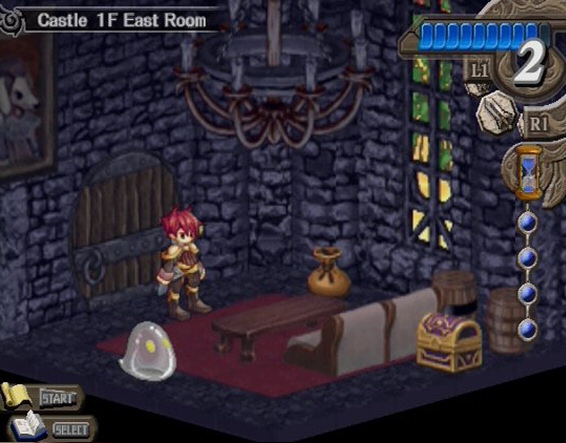
Alterworlds are a sort of dungeons. You explore them during the duration of the quests you receive. These areas are separated from the “real” world by a magical barrier. Alterworlds are populated with monsters – you can see them on the field – and you never really know where your quest objective is until you find it. The problem is that the clock is ticking and sometimes it may take you a few tries to get what you needed from a particular Alterworld. But if you finish your quest before the timer runs out, you can either leave or continue exploring.
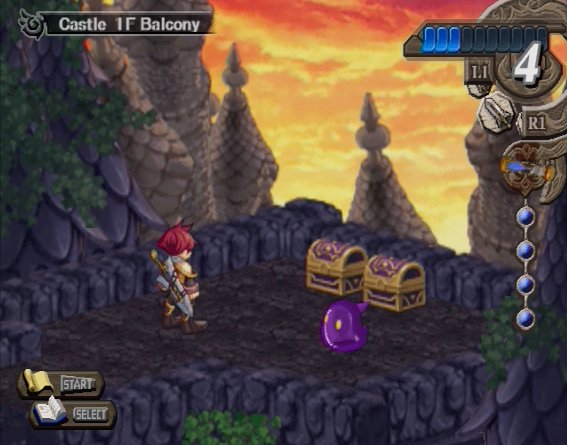
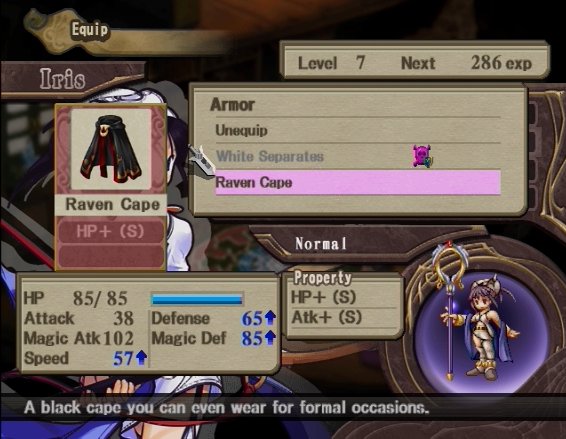
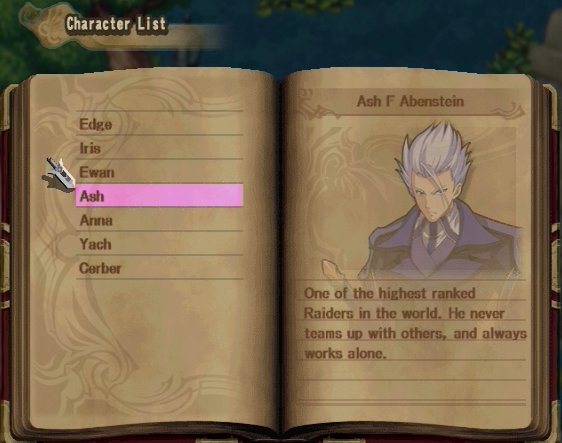
While exploring, you will find a number of things: treasure chests, bags with all sorts of items, grass that you can cut to reach other areas, even patches of dirt where you can plant and grow special seeds. You can run and dodge monsters to save time, if you want, but your characters will need to fight for experience to level up.
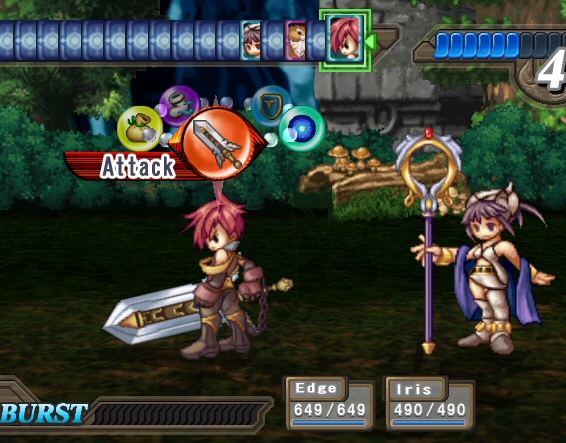
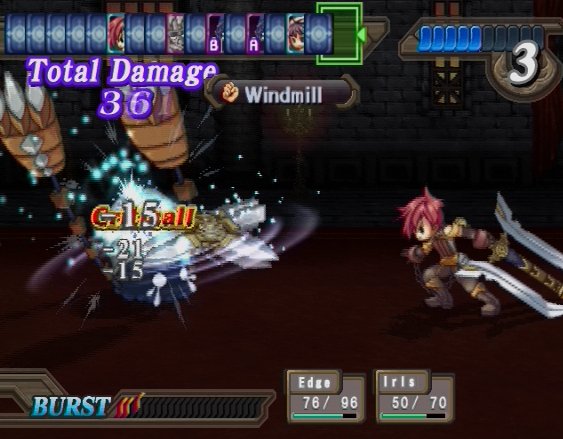
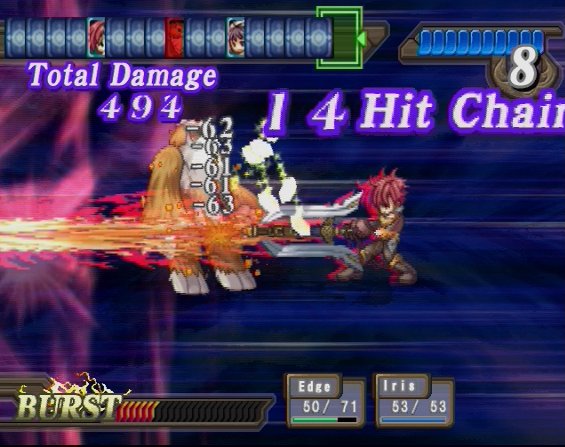
The combat system is of the traditional turn-based kind. Characters have a regular attack and a skill attack. The skill attack uses power from the skill gauge (it fills slowly as you fight). All attacks will also gradually fill up the Burst meter. When Burst is completely full, your attacks will become a lot more powerful and do crazy amounts of damage. It’s great for boss fights that can take quite some time.
Mana types come a little later in the game, but they are still present and ready to be used in a bunch of environmental puzzle-solving.
The game world itself isn’t that big. There is the main town and five different Alterworlds, so after some time you may find the progression somewhat slow and a bit repetitive. Completing quests is the only way for you to get Guild Points and advance your Raider rank, which is the base for story progression. Ranking up means you can take some goodies from the guild’s supplies and usually get a mission.
Missions are a bit different than quests, since you are forced to do them. Embarking on a mission will suspend whatever quests you may be on, but you can resume them once the mission is completed. This is a bit of a nuisance, since all the queued up tasks break up the main storyline.
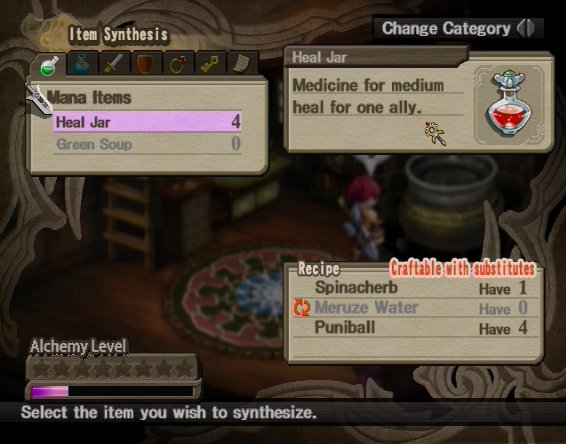
It wouldn’t be Atelier Iris without the Alchemy portion, so this time around Iris is your Alchemist. There is a cauldron is her workshop where you can create all sorts of items, armor and equipment, but it won’t be available right away. Iris will eventually find some recipes to work with and attempt to synthesize different things into a useful item. A lot of the ingredients you can find in the Alterworlds during your quests, others are just standing around town, and if you really need to, there are shops that sell a different number of things.
Iris also gets ideas for recipes by looking at certain items. Ideas will have a question mark on its recipe, so if you associate the kinds of items that are related to that, you can find Iris some inspiration. It’s also pretty funny to see how she examines certain items that will help her create something new.
In fact, Iris is the spirit of this game. While Edge is pretty bland for a hero character, Iris has enough personality for both (and then some). The conversations between them give the game a comedic relief that greatly increases when another joins the party. The dialogs are funny and there are plenty of weird occasions with other characters that will surely get some giggles out of you.
The voice acting matches the character’s over-the-top personality just right. The music is good, but you might grow tired of the town’s tune or battle theme soon enough.
Grand Phantasm still has the same hand-drawn colorful look that we are familiar with from the previous two titles. The 2D backgrounds are colorful and detailed, the cute little sprites are still there, though they look a bit different now, and the character artwork is still fantastic.
Even if in some Alterworlds the backgrounds seemed so crowded that it was difficult to see where to go next, and even if it made me run around a lot through the same places for quests, I must say I enjoyed Atelier Iris 3 quite a bit. The real drawback is how fragmented the storyline is, but I am glad to see that even with all these differences, the main Atelier Iris “retro” feeling is still there.
Special thanks to Jack Niida, Nao Zook and NIS America for providing a copy of this title.