
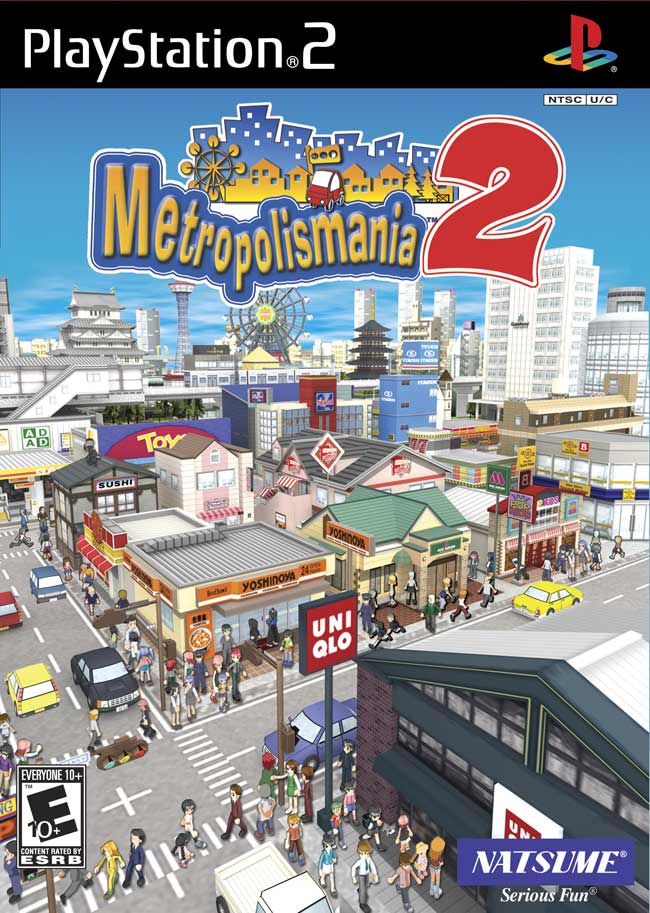
Like in most other games of this type, there is no story to draw you in. Instead, you are simply given the task of building towns to meet specific goals, all the while making sure that your towns’ citizens remain happy. Your goals are simple enough: “Build a town of 800 people” or “Build a town focused on farming that has a population of 300 people”, among others.
Once you are given control of each new land, you must go about the task of preparing the town for citizens by building a road system. While you may want to create an intricate roadway with twists and turns aplenty, your best bet is to start with a simple square. Take my advice on that one, since you surprisingly can’t delete pieces of road once you’ve built them. Not only is a square easier to manage in terms of size, but it will also take a lot of pressure off of citizens who want to live near specific buildings, since you can place the same type of building (police, hospital, school, etc.) in each of the four corners.
When you are starting on your first scenario, your contact list, located in the top left corner of the screen, will contain a few basics like restaurants, offices and of course family housing. As you build homes, you will have to talk to your new residents in order to create friendships, in the hopes that they will introduce you to friends who would also want to move to your town. While this friendship system does add another aspect not normally found in tycoon / city builders, it also contains the game’s biggest problem.
After your citizens have moved in, they will quickly decide that they are not close enough to a particular building and will ask you to build one for them. For instance, factories will want to be close to employee households and gas stations, offices and stores will want to be close to police stations, elderly homes will want hospitals, families with children will want schools, and so on. While most of these desires can be easily planned for mentally, actually finding someone who runs the type of building you need can be a nightmare.
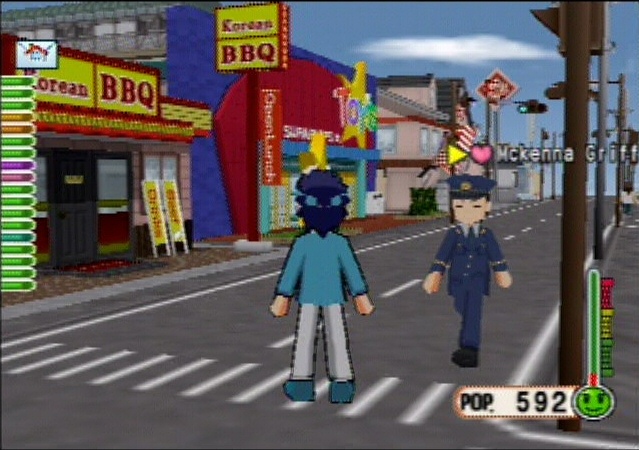
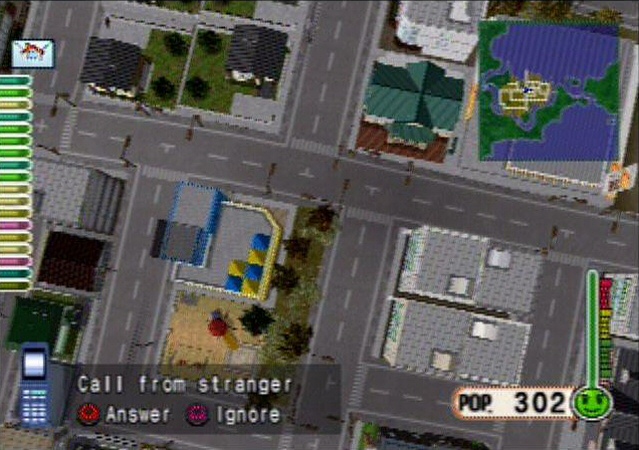
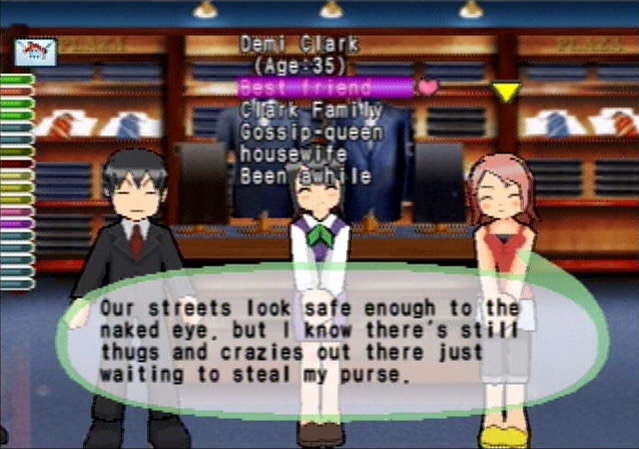
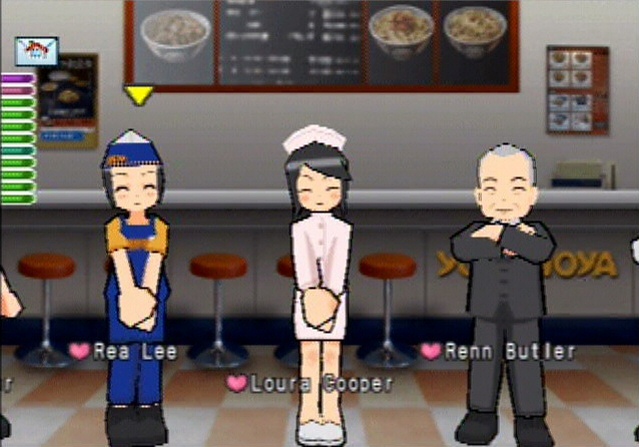
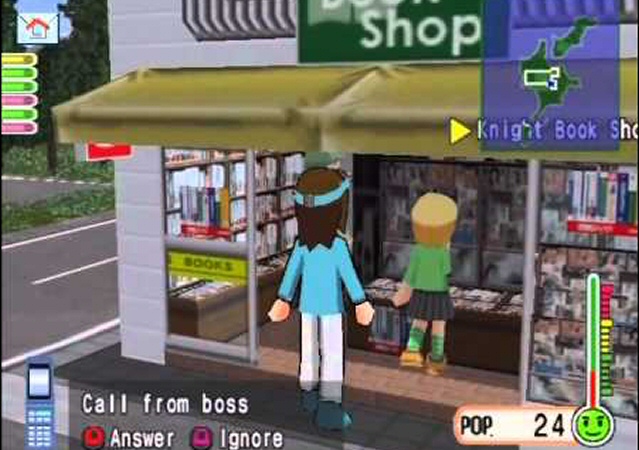
Even if you are friends will every person in town, there is a real possibility that no one will know anyone who works at a hospital, or whichever building you are looking for, so as you go about your duties of expanding the city, your citizens will become more and more unhappy, which will eventually lead to them moving out of town entirely.
In later scenarios, this problem is greatly lessened by the fact that you can invite people from previous towns to live in your new cities, but even then there is no 100% guarantee that you will be able to satisfy all of the demands. Add to this the fact that you are only presented with a tiny landmass on which to build your town, and you may not be able to place a needed building no matter how many citizens want it.
While the game does offer some much needed relief from talking to citizens in the form of being able to customize your own home, all of the time wasted doing such will allow complaints to build up all over the city, causing you to play catch up once you are finished with your own home.
But the gameplay isn’t all bad. Once you have built up a huge supply of friends in the “phone book”, you will have a much easier time building towns, since you can place the obvious necessities in town before ever tackling the main goal at hand. Back to my square town example, a great plan would be to build a police station, restaurant, hospital and grocery store on each of the four corners (for a total of 16 buildings) so that you can sit back for a while, while citizens think of new things to complain about.
Apart from issues with the gameplay, the graphical department is also a big disappointment. Don’t get me wrong, I wasn’t expecting perfection, but the amount of clipping and lag I experienced would be frustrating to anyone, regardless of the fact that it’s a last-gen title.
In terms of pure looks, the town’s citizens are drawn in anime stylings, with big eyes and hair, while the buildings themselves have very basic details, with a limited amount of variety. Bright colors and environments try to add a bit of excitement to the mix, but overall, the graphics are just “blah”. Something we’ve seen many times before.
The same blah feeling comes through in the sound department as well. While the soundtrack is pretty catchy in an elevator music sort of way, there is no need to have the sound up since characters don’t talk anyhow. This is a helpful fact since the music did have a tendency to get stuck in my head.
On the more positive side of things, even though the complaint system does present a real patience buster, there is still something very satisfying about eliminating a large group of complaints at once. And since the game does become a lot easier as you progress, finishing the game does become a more realistic goal. Heck, it even turned out to be pretty fun once I got the building pattern down and got over the graphical flaws.
While the gameplay is repetitive on an almost unheard of level, and while not without its share of flaws, MetropolisMania 2 does offer a challenge for those looking for one. Sure, there are much better games on the market that provide the same type of gameplay, but if you are desperately looking for tycoon-esque game to help you pass the time, you could do far worse than MetropolisMania 2.
Special thanks to Graham Markay and Natsume for providing a copy of this title.