

Having a faulty brain that doesn’t quite process things as it should and has trouble with hand/eye coordination, I’ve been searching for slow-paced gaming alternatives. A few months ago, I discovered Phasmophobia, and it didn’t take me long to jump right in with a few friends, in honor of our good old days of screams and spooks in Damned.
Phasmophobia could be described as you starring in any paranormal investigation TV show, but it’s there’s more to it than just that.
The game features solo or co-up play, with a team of up to four players. Your goal is not to prove the existence of the ghost, since you already know that there is one. Instead, you use the equipment you have to find out what type of ghost you are dealing with. There are no exorcisms, no cleansing of homes, nothing like that. It’s more of an elimination process to narrow down your possibilities, a bit like a logic puzzle. In first-person. With spooky stuff.
There are a few maps available, which are suitable to specific difficulties and a suggested number of players: houses or varying sizes, cabin in the woods, high school, asylum and prison. The maps will have pre-set difficulties: Amateur, Intermediate and Professional, usually depending on size and requirements. The more difficult the stage, the higher the risk and the bigger the rewards.

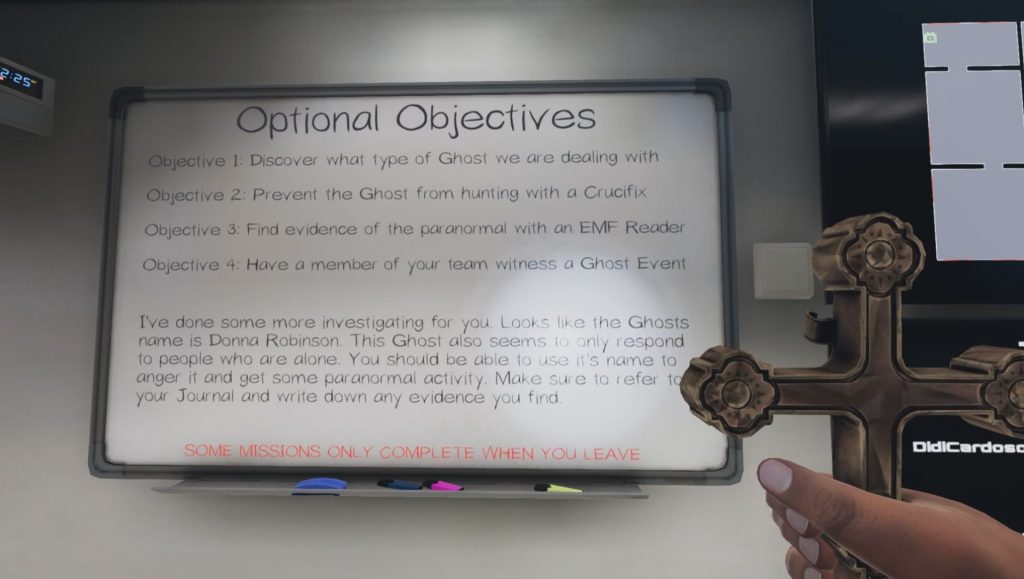
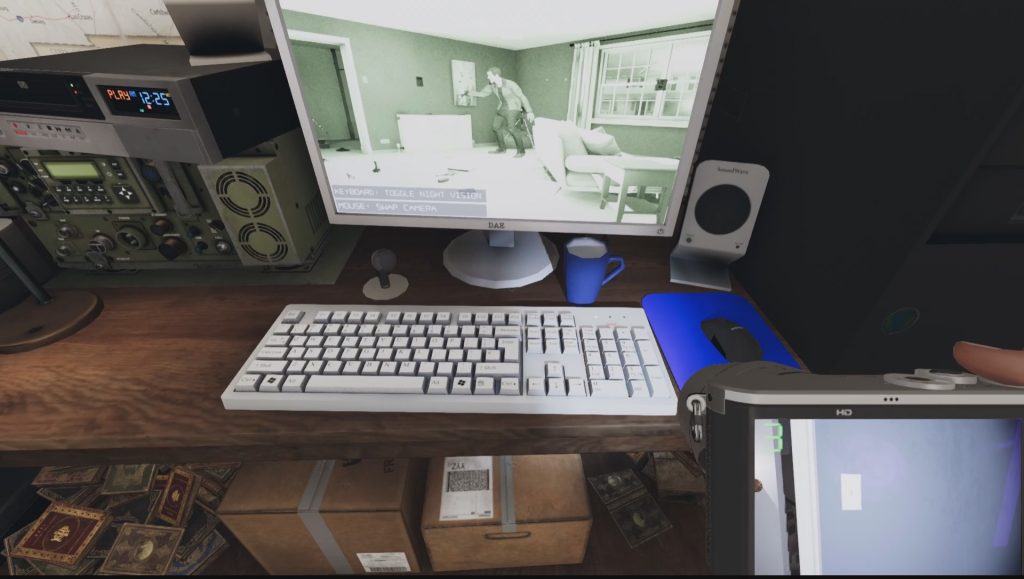
Your goals will be stated at the start of each scenario, on the white board in the truck. Yes, you have your own “ghostmobile”, so to speak: a truck equipped with screens, electronic floor plans and graphs, computer screens and all the equipment you select at the start of a given stage. Depending on the difficulty, you also have some time to set up equipment before the ghost becomes hostile and starts actively hunting you. And when it does hunt, who you gonna call? No one, actually, because communications will be cut off. However, the ghost is still actively listening, so if you do speak or make noise, it can track you down and kill you. That’s the major feature in this game, the ghost is always listening. Regardless of using your in-game local or global communication channels, of using Discord or Steam voice instead, your microphone is always active while Phasmophobia is on, and the ghost AI picks up on certain key phrases and words and reacts accordingly.
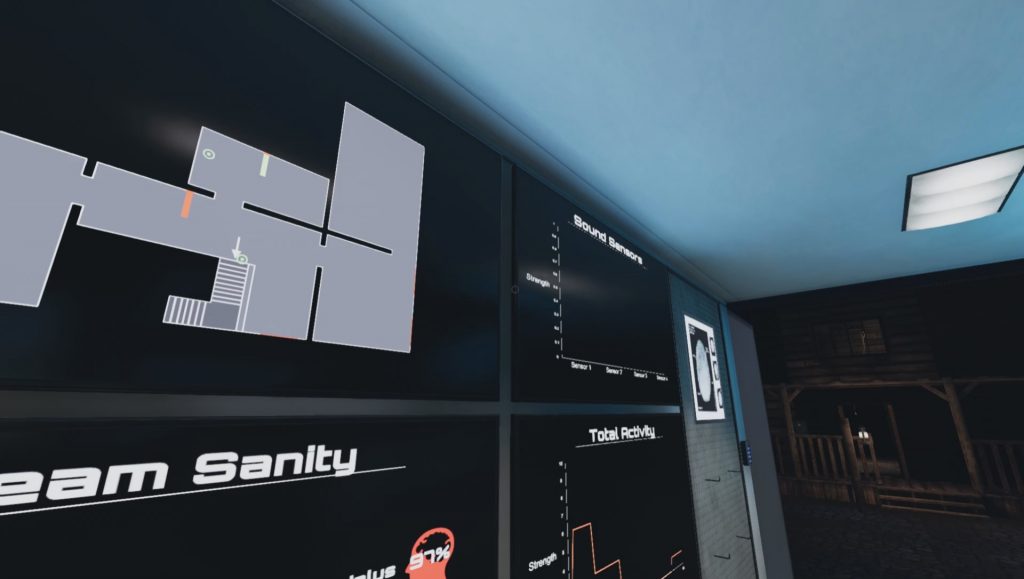
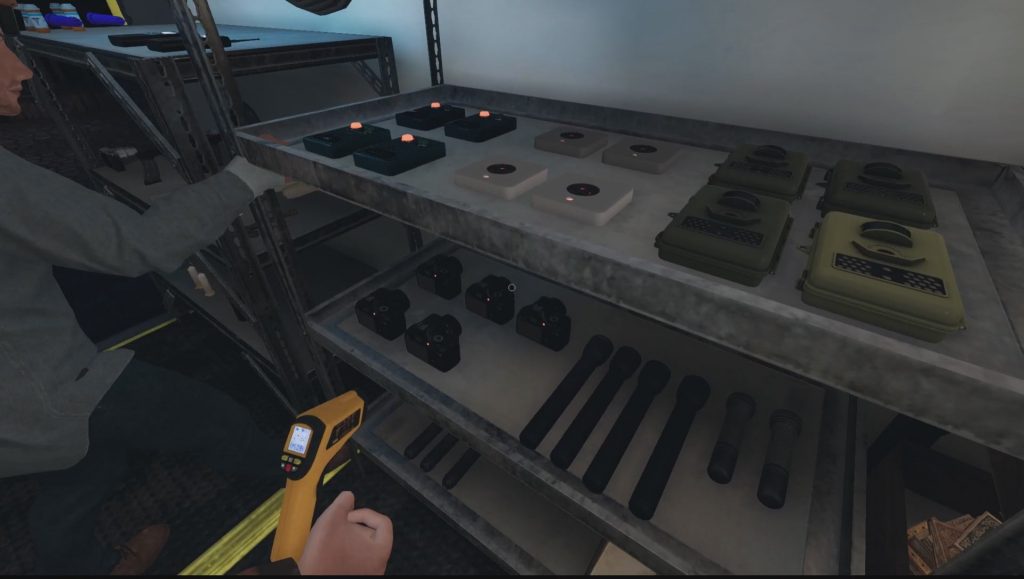
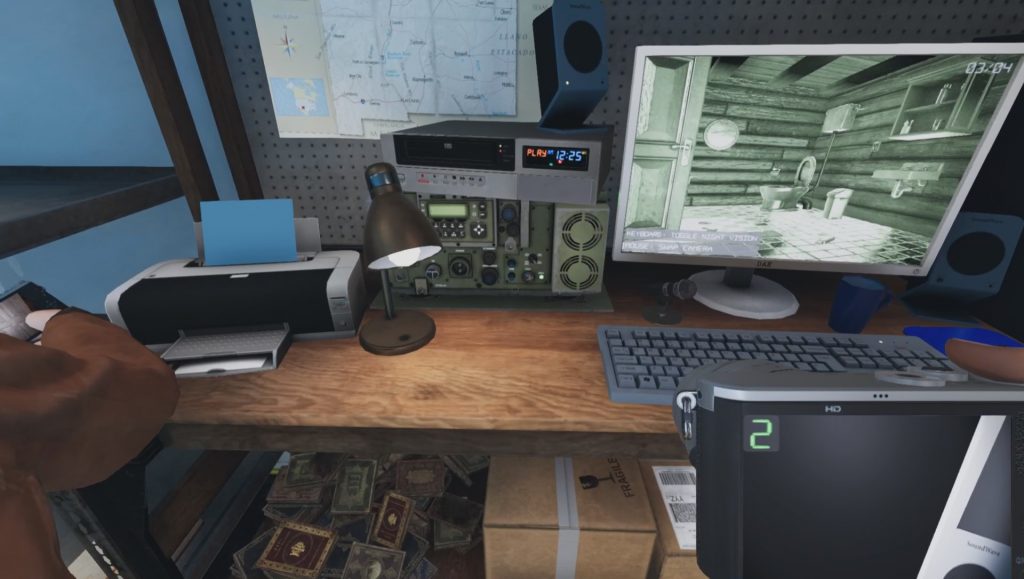
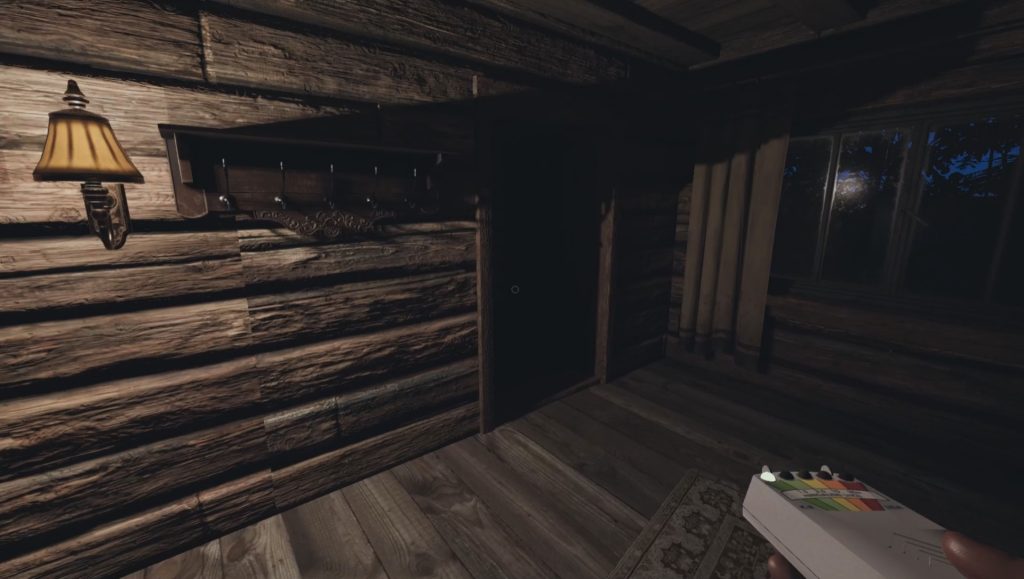
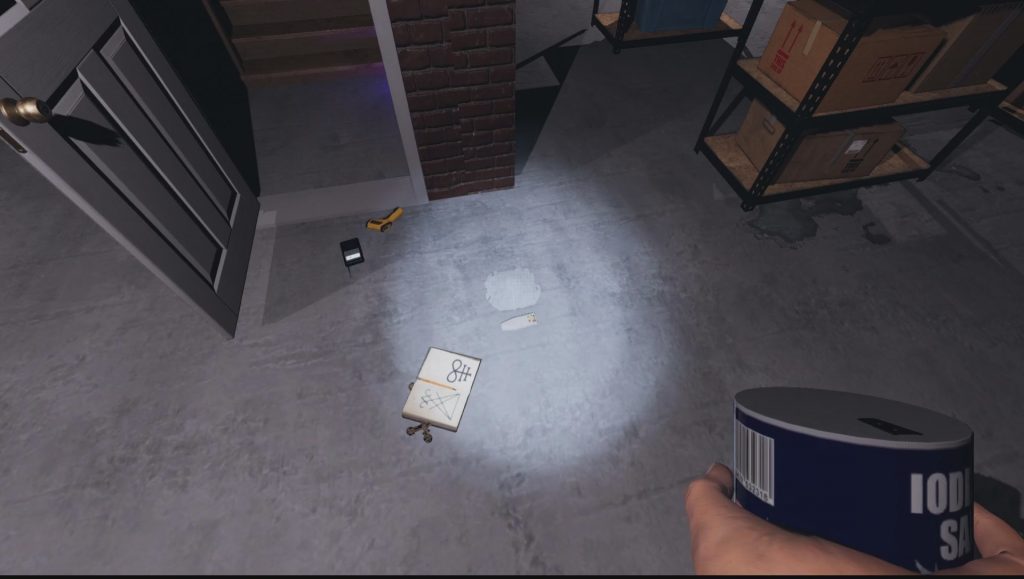
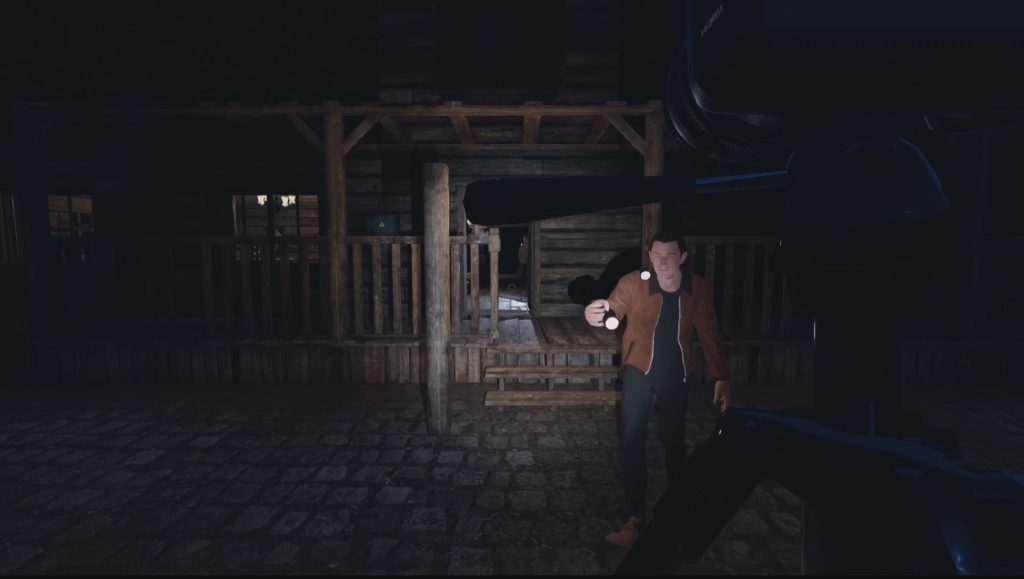
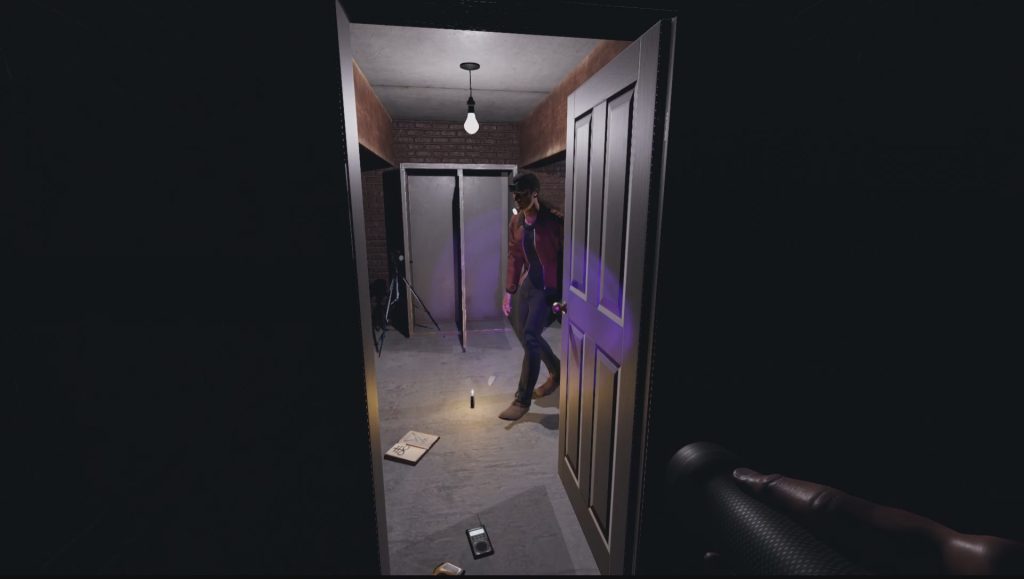
But first things first: how do we find out the type of ghost we are dealing with? You have your standard fare ghost hunting equipment, such as cameras, EMF reader, thermometer, voice box, motion detectors and so on. I recommend you go through the tutorial stage to get acquainted with the process. As you complete stages – successfully or not – you earn experience and money, which you can use to purchase more equipment. If you die during an assignment, you lose whatever equipment you brought in with you, so it’s wise to coordinate with your team to share the expenses should something go wrong. And often it does, and that’s part of the fun.
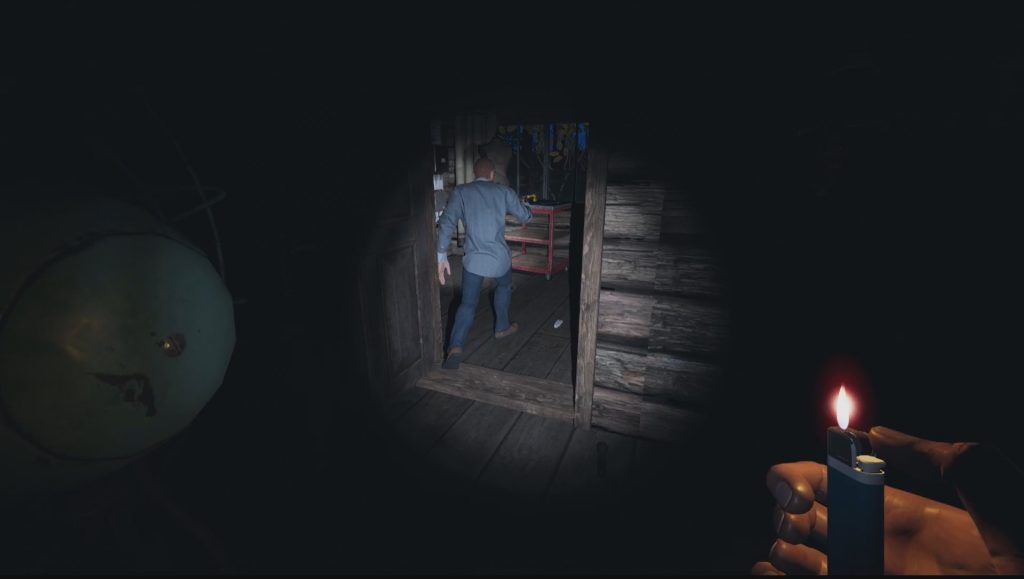
From the get go, you get in the building and go around with some of the instruments (usually thermometer and EMF) until you find the ghost’s favorite room. That’s not to say they are bound to that space, because they do wander and chase you. Sometimes, it’s confusing because you will have your hot spot in a doorway or a hallway and you can’t quite figure out where exactly you’re supposed to place your devices, so it’s a trial and error process. Some ghosts are trickier than others, some are just shy, some play with lights, some love the light on, others love the lights off, some will come around and breathe down your neck and scare the bejesus out of you in the dark, and the first time you get a response when you’re all alone with a voice box is awesome and super scary at the same time. Forget the fact you just spent 5 minutes asking random questions… when you eventually say “Are you here?” and the box replies in its robotic voice “Behind!”, the instinct is to turn around and leave as soon as possible.

Your journal will help you identify the traits and types of evidence for each ghost. Through investigation and elimination, you will add your evidence in the journal to narrow down your choices and discover what you are dealing with. The white board will give you some hints regarding the ghost, for example, if it prefers to manifest to groups or a single person, will always state the ghost’s name, and usually contain three goals to complete, ranging from find out what type of ghost it is to prevent a hunt.
To prevent a hunt you have to force a ghost to hunt in the first place, which means taunting it. This can range from singing to swearing, to repeatedly saying its name, or just simply saying UWU!! at it several times – they hate it. Some also hate when you touch their stuff, so stealing their things can trigger an overprotective ghost.
A lot of the fun comes in the form of playing tricks on your team mates, be it by making spooky sounds over coms, taunting the ghost and running away while closing a door behind you on their faces, going to ridiculous lengths to get a response from a shy ghost (check out our William Taylor UWU! fiasco), activating a ouija board without telling anyone, or not notifying someone that their sanity is critically low and let them serve as bait.
If and when you do die, you can still witness what is happening as a ghost yourself, but will be unable to interact with your team. You can throw objects around, which can be used as a communication tool – throw cup for yes, throw candle for no – and you can speak with any other dead team members, but it would be pretty cool if we could use the voice box to send a clue to our group. The experience is 100% more nerve wracking when you find yourself as the last person standing and still gathering evidence!
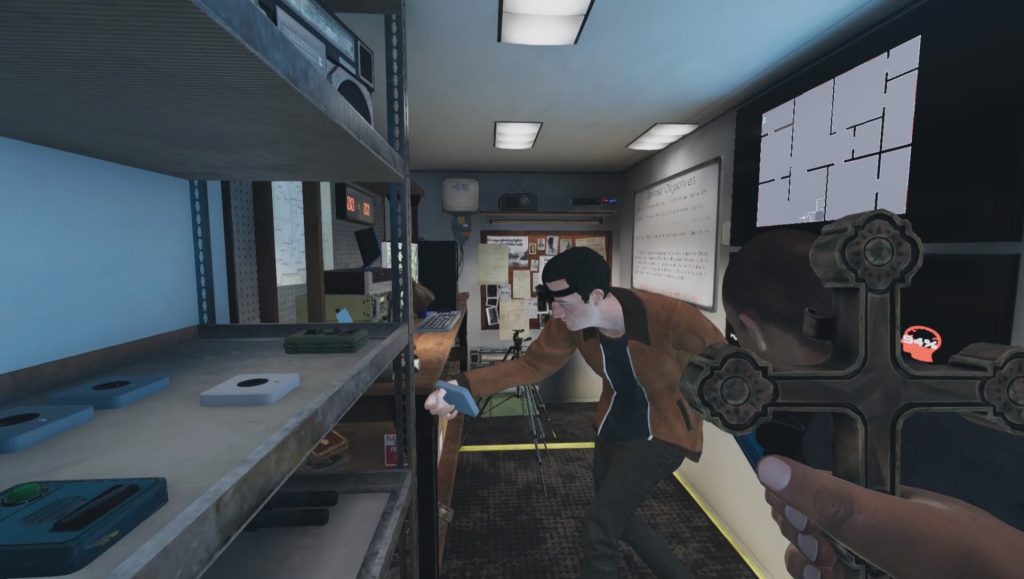
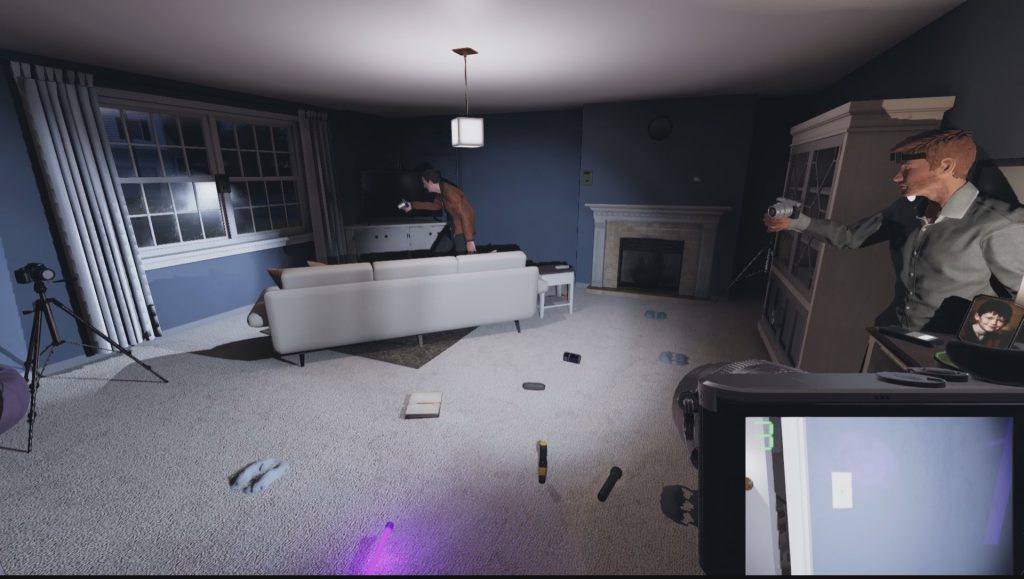
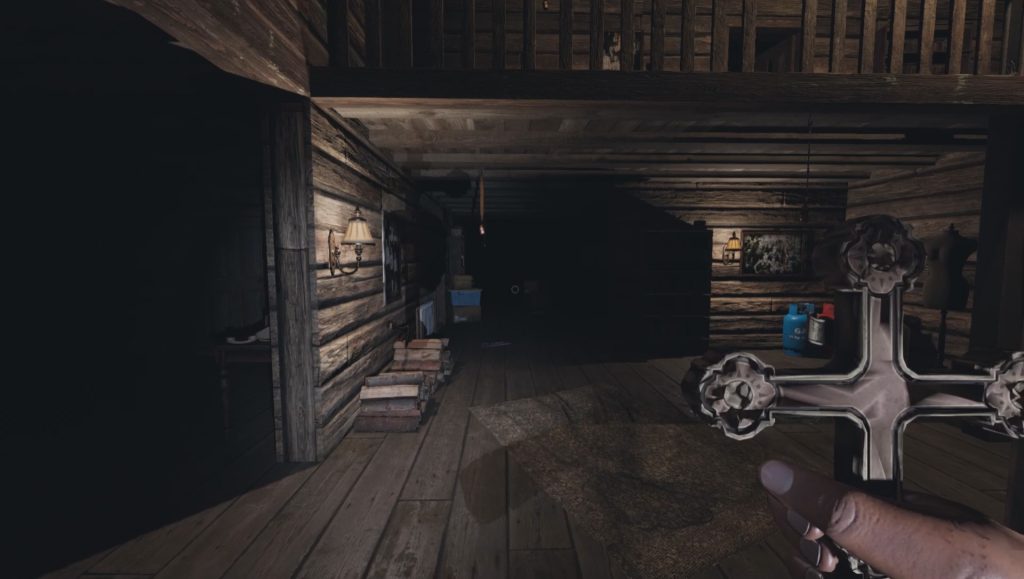
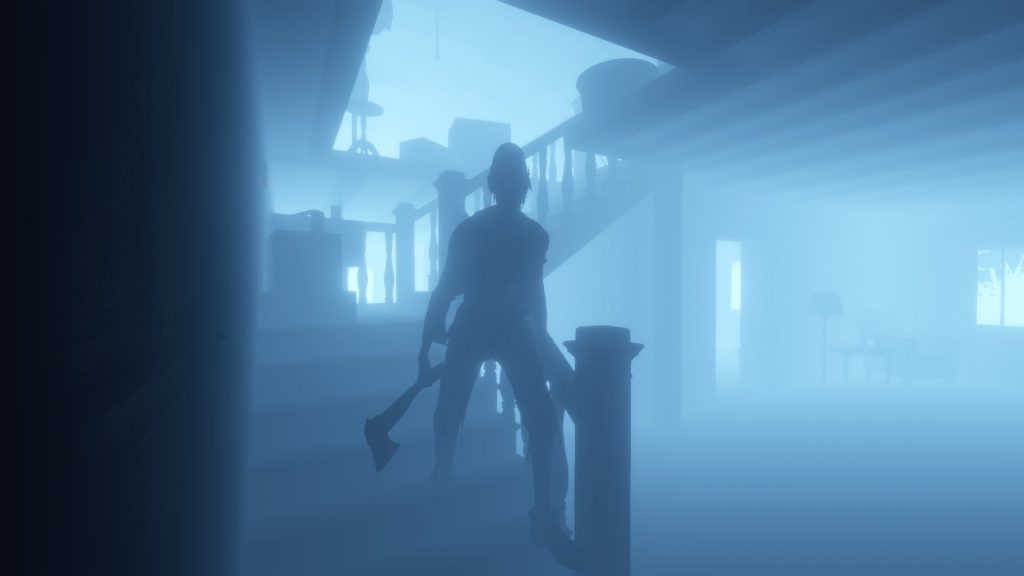
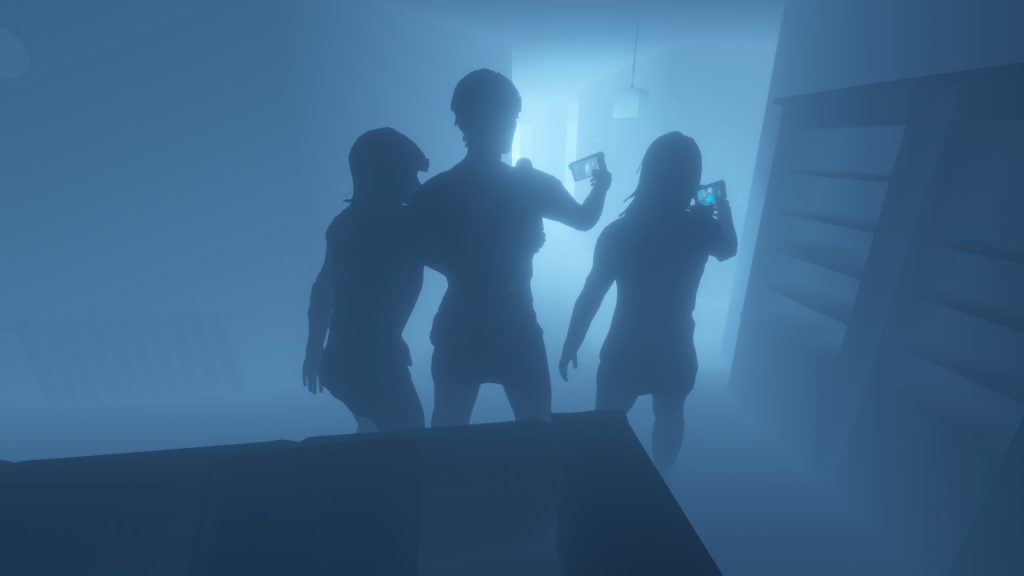
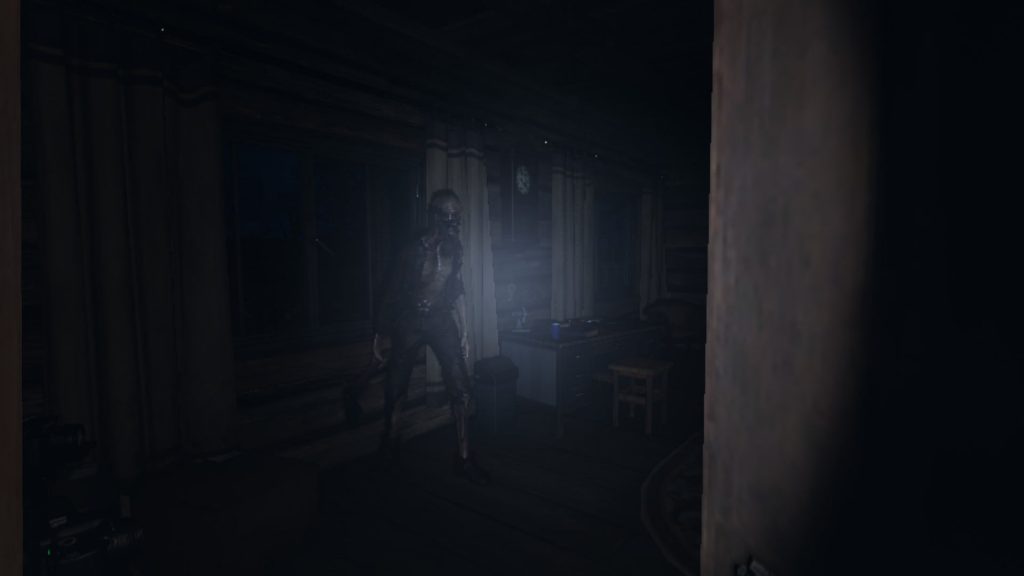
And let’s not forget the obvious clichés that will ensue, such as randomly bursting into singing the Ghostbusters theme, someone making that annoying sound from the Grudge, throwing items to scare someone into thinking you have a poltergeist, and last but not least, exercising your right to exorcise the house while branding a crucifix, yelling “THE POWER OF CHRIST COMPELLS YOU!”
The game really shines in terms of how the ghosts react to your chatter, your reactions and certain keywords, as well as in setting a very creepy atmosphere in each of the maps by means of sound and subtle changes. Be it your breath becoming visible in a cold room, a door clicking open, items being thrown, ghostly footsteps in the distance, a disembodied voice humming a song or the sound of someone breathing down your neck a little too close for comfort. For added bonus scares, dare play it in VR!
Overall, Phasmophobia may look repetitive due to the limited amount of scenarios and specific process of investigation, but it’s the adaptive AI and the group you play with that keep it fresh, fun, interesting and what keeps us coming back for more. Kudos to developer Kinetic Games for their brilliant effort on this one-man show!
For more footage of Phasmophobia and our awkward teams in action, check out the playlist below:


Editor’s note: In loving memory of our good friend and excellent ghost hunter, Charles L. Wolf (1985-2021). We miss you.
Playing Phasmo without you will never be the same.
