
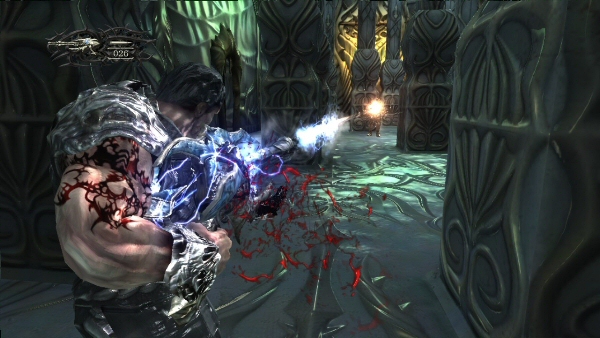
Quantum Theory had been long described as a Gears of War clone (a cover-based third-person shooter), which truthfully isn’t a bad thing. But in such comparison, would it live up to the expectations? Well…
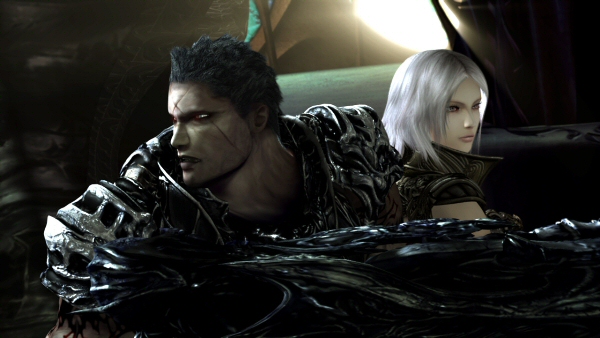
In a post-apocalyptic world where life is threatened by Erosion, a poisonous substance that dwells in the Living Tower, the story in Quantum Theory revolves around muscular main character Syd and his sexy female companion Filena. There doesn’t seem to be much of a story though, and you will be left attempting to piece things together and make sense of them.
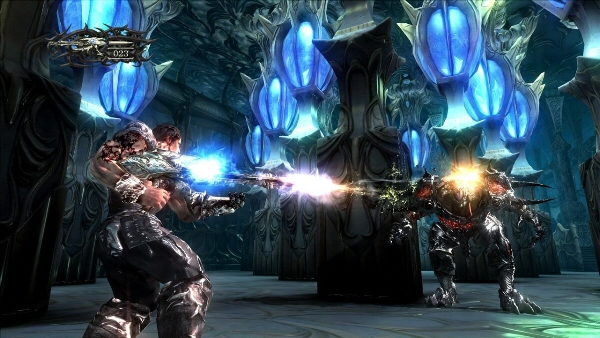
The mechanics are familiar: you sprint, dive, shoot and take cover. X for running and taking cover, L2 for aiming (auto-aim applies to easy difficulty only), R2 to shoot, D-pad is used to change weapons, square for melee attacks. You can shoot while taking cover, while open, or blindly from behind cover (obviously, not a very effective method). Sprinting becomes useful, but at times clumsy, since it makes it difficult to control your character while using it.
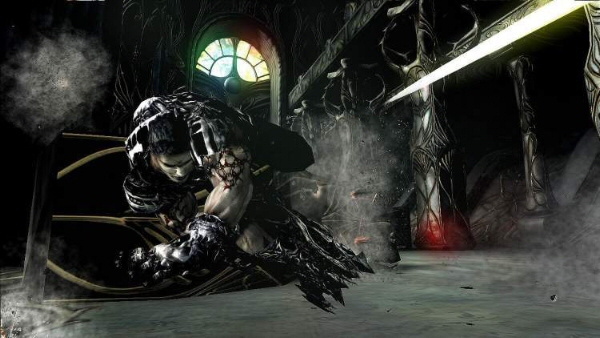
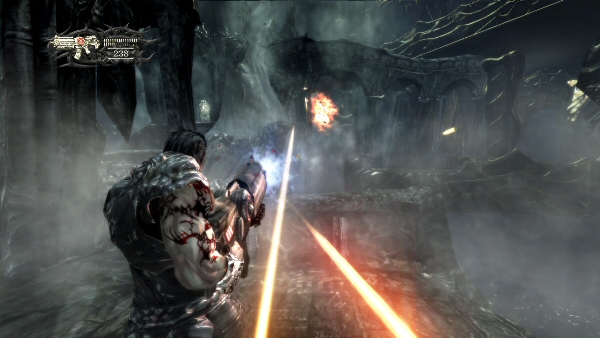
Now, why “living tower”? Because this thing actually moves and adapts to your presence. Passages will open, the ground will collapse, bridges will appear, making enemy attacks often unpredictable though these “surprise” elements of unexpected change. This also adds a bit of a platform element to the game, which unfortunately doesn’t translate well due to Syd’s limited (non-existing?) jumping abilities. Many times you will attempt to roll onto whatever platform and misjudge your distance to the ledge, resulting in failure. Either we should have been able to simply jump (without attempting to calculate the rolling landing distance) or platforms should have just been left out entirely.
There are other issues though. For example, the invisible walls. Sure, every game has invisible walls somewhere, but at least you know they are there: an impassable steep hill, debris, locked doors, an ocean. Here, you will see open doors and think “Great, one more spot to explore!” only to find out you can’t enter.
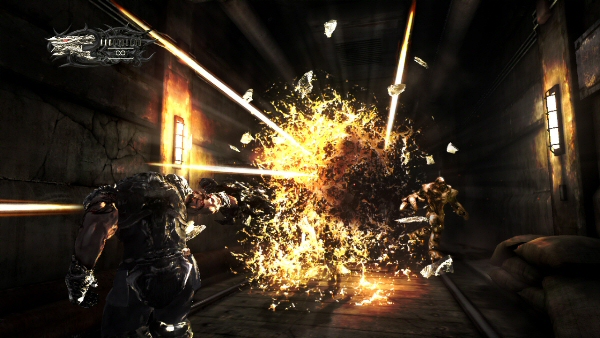
A bit like in Matt Hazard, a wave of enemies will spawn right behind you right after you’re done killing another. At least in Matt Hazard, this “feature” was introduced as one of the bad game design jokes, and characters would even make fun of it. In Quantum Theory, it’s just not funny, but it keeps happening.
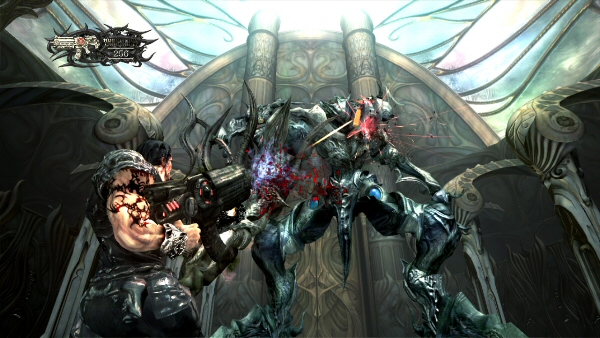
And what’s up with these boss fights? How am I supposed to know if the damn thing is taking damage, how much health it has left or if there’s even any sign of it being close to be defeated? Nope, there’s nothing, not a single indicator of… anything, really. You shoot, and shoot, then shoot some more, dodge and hope that this won’t go on for much longer. And then you’re presented with some kind of cutscene where the boss either dies or runs away. A boss fight that’s not memorable is just another random encounter, which means that in this game, you will get more enjoyment out of killing the “little stuff”.
There is also a multiplayer aspect to Quantum Theory, with five playable maps and four game modes, but only two ranked, Executioner and Dead or Alive (respectively, the game’s versions of deathmatch and team deathmatch). The ranking system seems awkward and definitely unforgiving for those who are just starting to play or like me, are just plain clumsy at shooters. It seems that your deaths negate your number of kills, making the process pretty unsatisfactory and unfair for beginners.
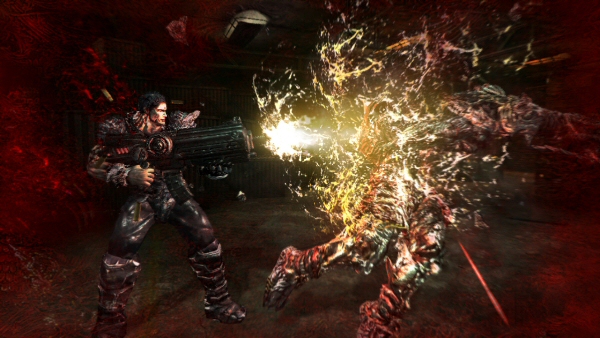
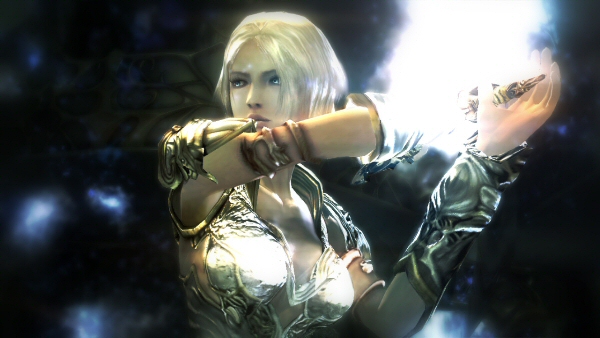
Also unfair are the differences between male and female characters. Males can climb and pick up any weapons that they find on the field, and their weaponry is more powerful. Females are faster, have a longer melee reach, the weapons they find become ammo refills and their weapons are much weaker in terms of damage. Male strong, female weak, ugh. What a stereotypical concept! Now if we could mix and match gender and traits, multiplayer would be much more appealing.
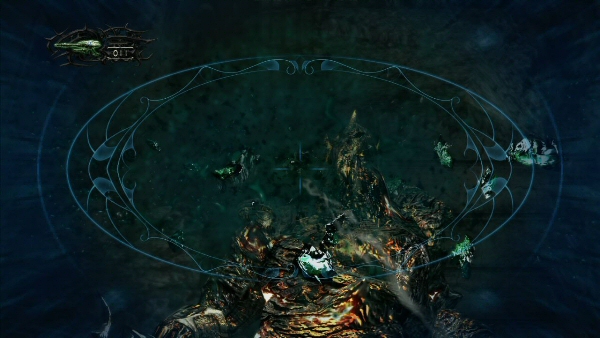
Quantum Theory could have been so much more, and the potential was there. Unfortunately, it falls short, be it on story development (or lack thereof), general gameplay awkwardness (guys, really, how are giant ornate crosshairs going to help me aim any better?) and gender-unbalanced multiplayer.
Special thanks to Vincent Slaven and Tecmo for providing a copy of this title.