Hack and slash, how I love thee. Especially on consoles, in the comfort of the living room. I’m not sure what was the last game of this kind I have played and truly enjoyed… possibly Champions of Norrath.
This Diablo-style title lets you play as one of six character classes, and align with gods of either Darkness or Light, except for Seraphim and Inquisitor which are bound respectively to Light and Darkness.
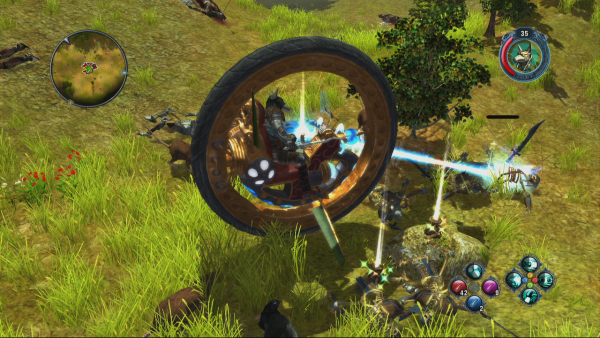
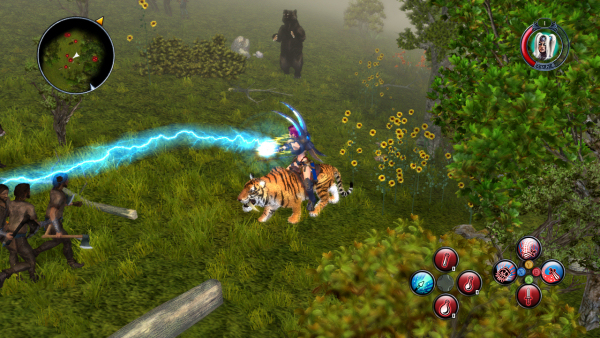
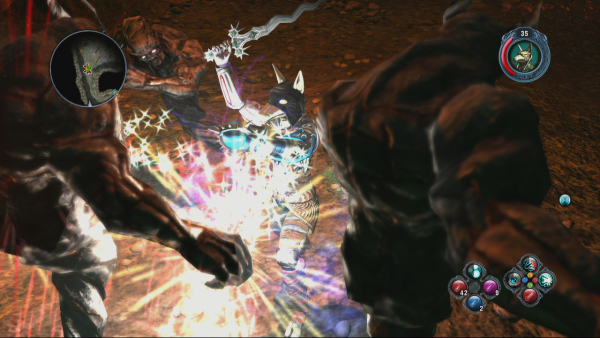
For the most part, the classes are variations of those you may know from other RPGs. The High Elf is the equivalent to a mage or wizard, using a variety of magic spells for attack and protection. The Seraphim can use a variety of weapons, armor, technology and magic, making it a very well-rounded character. Shadow Warriors are a very powerful close-combat fighter and can raise the dead to fight at his side. The Temple Guardian (which looks like a mechanical Anubis) can access T-Energy directly, is a great support character and makes use of his weapon arm for combat. Dryads are basically the ranger class, able to use ranged weapons and some spells. As for the Inquisitors, they are pretty much the Dark version of the Seraphims, a versatile character with the power to raise the dead.
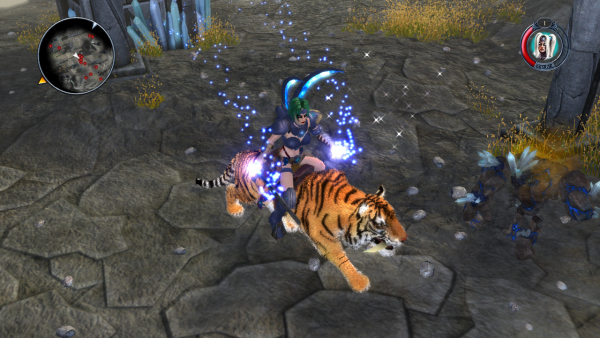
After choosing your character, you may pick your deity, which gives you a little bonus in the form of a special spell/buff/effect. If you pray to that god by visiting their temple or statue, the cooldown time for this “power-up” will shorten. Each character class has a specific mount, all very cool and suitable to the class they serve.
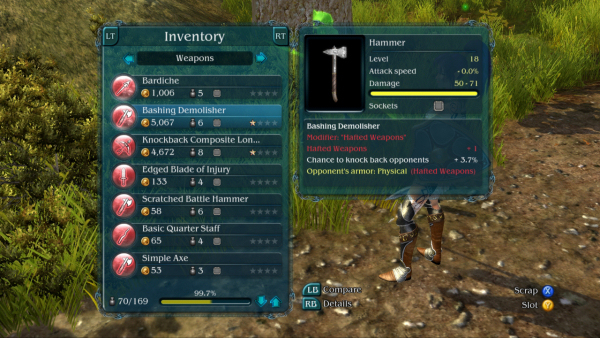
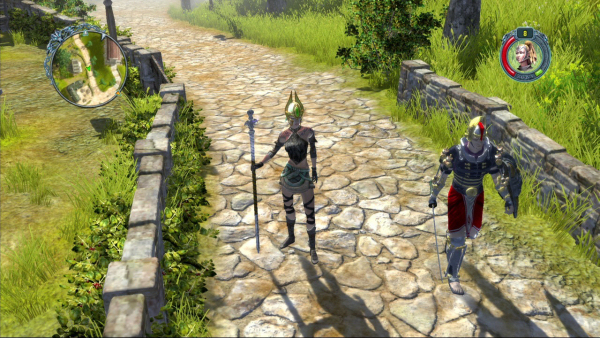
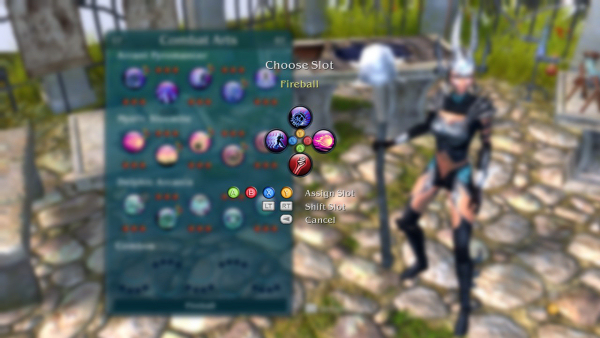
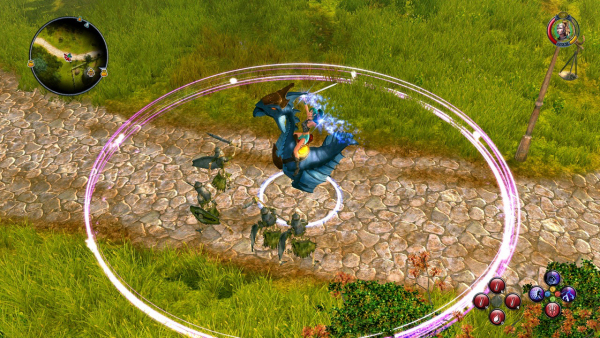
Sacred 2: Fallen Angel can be enjoyed solo in two campaigns (Light and Dark), co-op with a friend locally, or with up to three other players over Xbox Live. You can also play in Free Mode, where you explore without participating in the actual campaign, or engage in PVP gameplay. And if you set your game up for that, anyone can join in or leave without bothering your connection or experience.
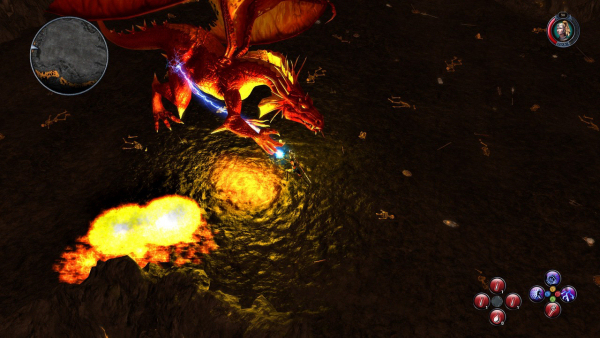
There isn’t much of a story here, but you know that there is something called T-Energy, guarded by the Seraphims and later by the High Elves, a substance that has allowed the land of Ancaria to flourish. The use of T-Energy was so controversial that it sparked a war between Dragons and other races. Now, without a guardian or control, the T-Energy is spreading and corrupting the land and its creatures. You can either be the hero or the villain, slaughter everyone or help villagers, it doesn’t matter. The game is still about questing, killing and looting.
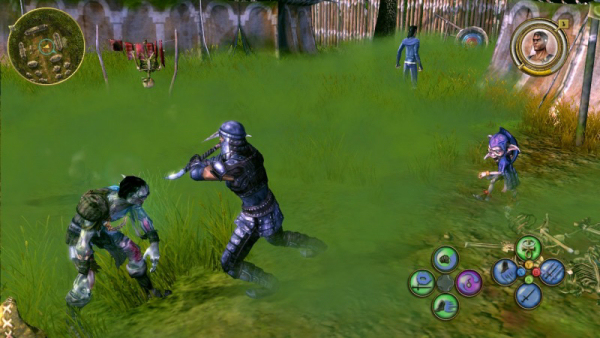
Indicators make it easier to judge your opponents. A glowing circle around a creature will basically tell you the odds of winning that fight: green means it’s weaker than you, yellow means you’re equal in strength, red means you’ll probably end up dead. Don’t even bother with gray circles, since they give little to no experience. Pressing the left thumb stick will also show you the creature’s weaknesses to attributes such as fire, ice, physical damage and more.
Although you can choose to do only main quests and quickly progress the “story”, there are tons of side-quests available which are definitely worth doing. Sacred 2 is full of little surprises, and one of these is probably one of the most epic music videos I have ever seen. In one of these quests you help a bunch of musicians get their instruments back, only to stand and watch their concert in the end. Further investigating, I discovered that these in-game characters are representations of the members of Blind Guardian. No one should go without seeing this video, having played the game or not, so here you go!
And after the lovely musical interlude, on with the rest of this review.
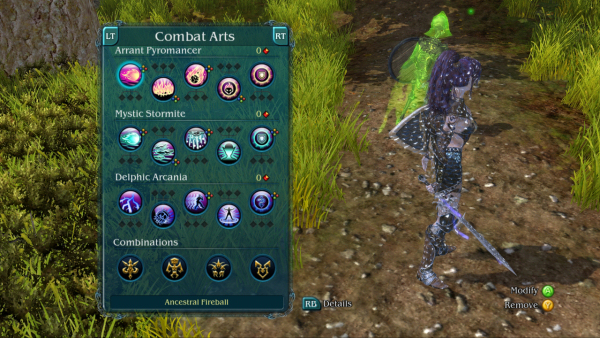
Character progression is done by leveling up and distributing points among attributes (such as Strength, Stamina, Intelligence, Dexterity and so on) and picking your skills from a skill tree which is divided into four sections: Combat Arts, Offensive, Defensive and General.
Other interesting aspects of the game are the Runes and Blacksmithing.
Runes are what allow you to learn Combat Arts. When you find Runes, you can read them from your inventory to learn that specific Combat Art. You can have up to 15 of them and master them all, if you put the time into it, but if you feel like visiting the Rune Exchange you can get rid of the ones you don’t want.
Blacksmithing allows you to add damage modifiers to the empty sockets on your equipment. Items can also be forged into other items and retain their initial socket attributes. Just visit a Blacksmith and have him to do all the hard work for you.
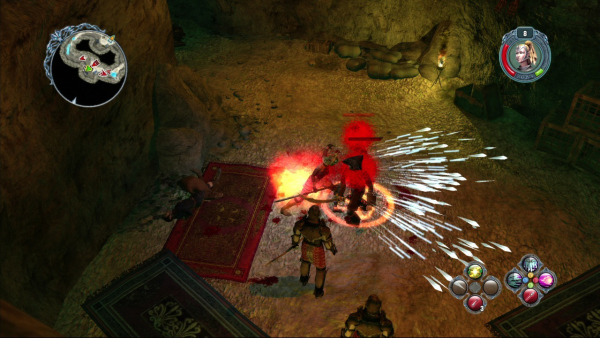
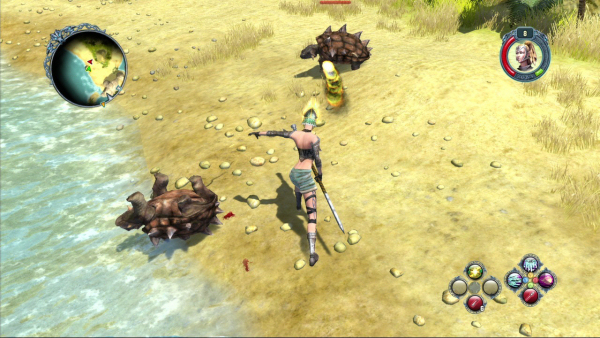
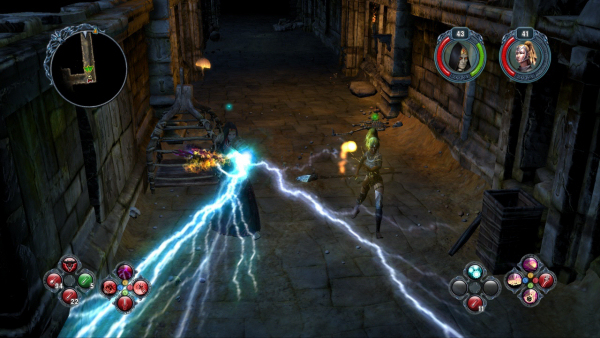
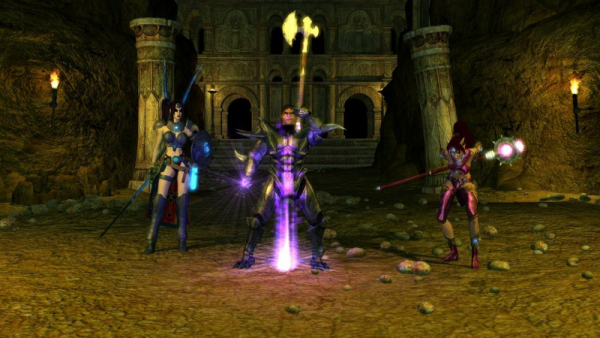
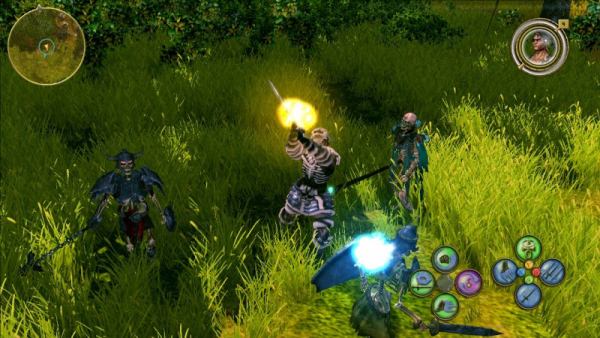
However, I won’t say the game is without its faults. In fact, before a downloadable update, some quests were impossible to complete due to the NPCs being stuck under the world or entire areas being completely black. Yes, black, just a bunch of nothingness there. Fortunately, this was fixed with the “patch”.
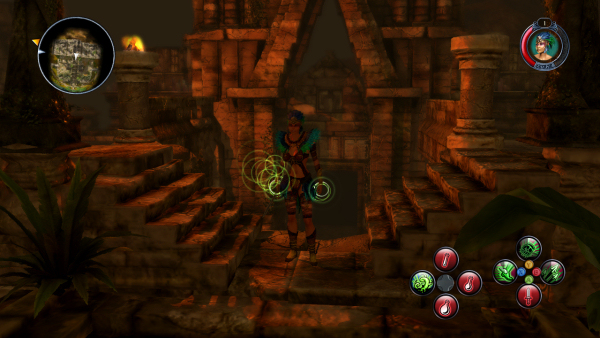
Visually, I like the colorful world of Ancaria, with its distinct areas such as bright sandy beaches and somber dark dungeons. The sound is overall pretty good too, and you get to listen to some other Blind Guardian tunes in the soundtrack (though the combat theme will get repetitive a bit too fast). The sound effects are appropriate, and the voice acting is worth noting, especially the silly bits that enemies utter when they die. There are also random bits and pieces of humor throughout, so it’s actually worth it talking to people or reading the tombstones at a grave site.
Sacred 2 may not be the greatest action-RPG to exist to this date, but it’s still a fun and nicely executed game that will provide you with a good number of hours of fun – alone, with friends, online or offline.
Special thanks to Ted Brockwood and CDV for providing a copy of this title.