
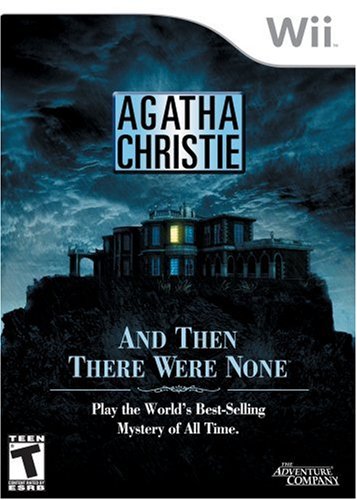
Agatha Christie’s And Then There Were None, originally a novel, is the first mystery transported from the books into the videogame world. Initially a PC title released about two years ago, And Then There Were None comes now to the Wii.
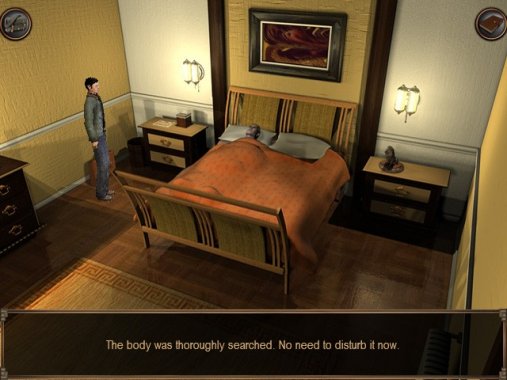
The story revolves around the ten guests of a mansion in Shipwreck Island. The host is nowhere to be found, and little by little, the guests starts turning up dead. You play as the boatman who transported the guests to the island, also forced to stay since your boat has been mysteriously wrecked. It’s up to you to find out who is behind these deaths.
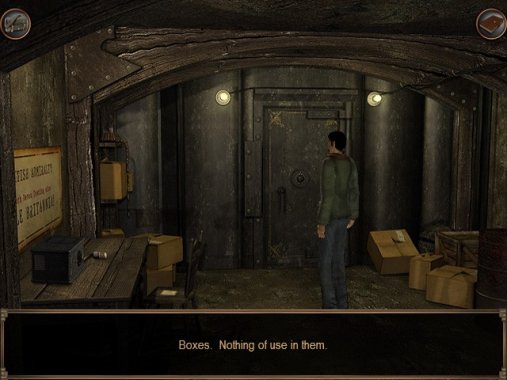
The game is a third-person point and click adventure, separated into a series of chapters – just like in a book.
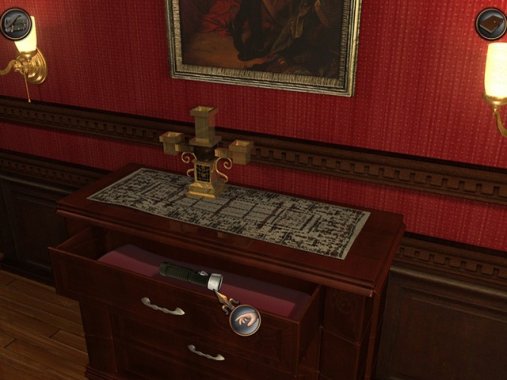
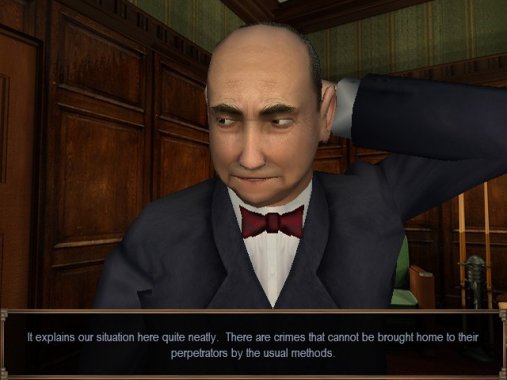
Basically, you search the mansion for clues and interrogate the guests to advance the story. The deaths won’t stop unless you manage to stop the killer, but your meddling may also turn you into the next victim.
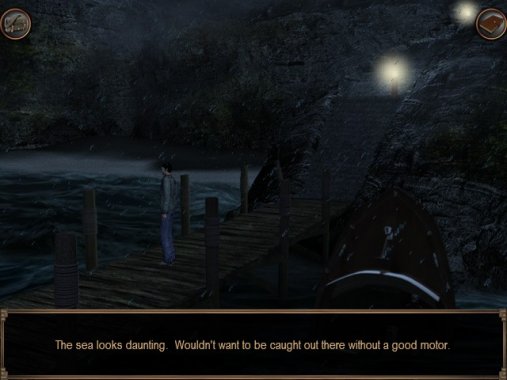
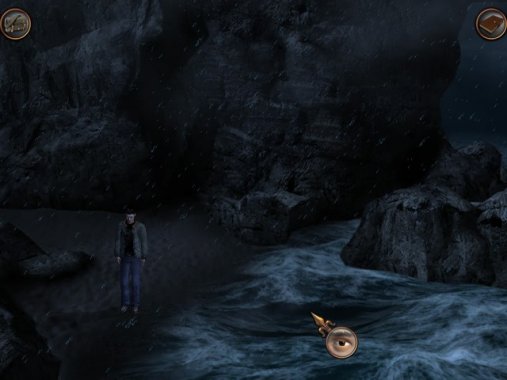
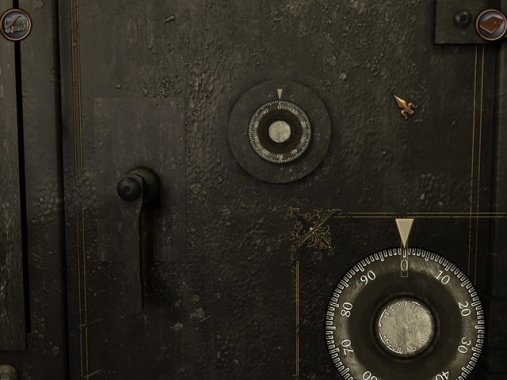
Everything is controlled with the Wii-mote, which does a great job at replacing the mouse in the PC version. It’s much more interactive since you do specific gestures to perform certain actions, for example, when opening a door or cracking the combination on a safe you turn the Wii-mote as if it were a doorknob or a dial, and you do a digging motion to scoop flour out of a bag.
As in any other adventure title, the cursor will give you hints as to what to do with a certain object and they’re pretty self-explanatory: a mouth will mean you can speak to someone, a keyhole means you can peer through the keyhole on a door, an eye means you can inspect something, a hand means you can take that item.
The – button let you access the inventory, where you can inspect, combine and separate objects. Inventory-based puzzles range from completely obvious to absolutely ludicrous, but I’ve learned from my experiences that this is the way of adventure games after all: in one moment you feel like the smartest people in the world for solving a puzzle, and in the next you’re left scrambling for ideas.
The + button accesses your journal, which stores any items that can be read, such as letters, newspapers or books. A is your main interaction button and when pressed at any time brings you to the save/load menu. Saving a game is a bit odd though, since you can’t just override your previous save. Maybe it’s a precaution to make sure you don’t lose your progress, I don’t know, but every time you want to save in a used game slot, you have to delete your previous game in that slot.
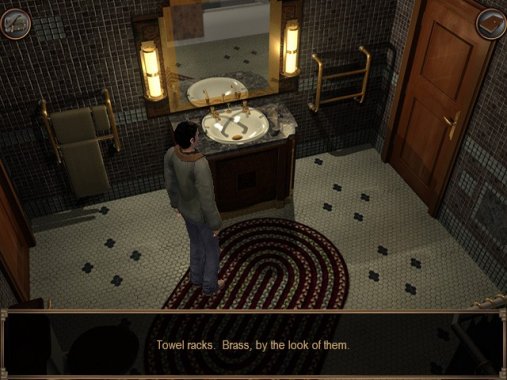
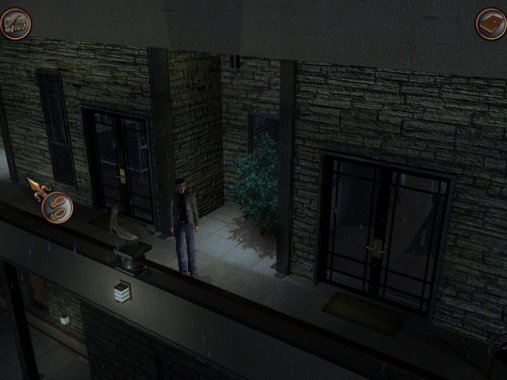
Although the game follows the book, it ends up being more than just a retelling since there are new ideas, plot changes and multiple endings. The downside is, And Then There Were None is pretty much a port of the PC version with alterations made to fit the Wii’s interactive control scheme. Why? Because you can get the PC game for a lot cheaper and still get the same satisfaction of playing and solving a great murder mystery.
However, if you missed it when it came out for Windows, or if you’re not really into PC gaming and want to try a different way of playing an adventure game that involves something more than just clicking, you might want to give it a shot.
Special thanks to Suzanne MacGillivray and Dreamcatcher Interactive for providing a copy of this title.